Power washing is an essential maintenance task that can help homeowners and businesses maintain their properties, especially when relying on professional power washing for consistent results. This article will cover the intricacies of power washing, offering a comprehensive guide on techniques, equipment, and best practices. Power washing is frequently used to remove dirt, grime, mold, and mildew from various surfaces, enhancing curb appeal and preventing deterioration. By learning about the different aspects of power washing, property owners can make informed decisions about maintaining their exteriors effectively, whether through DIY efforts or professional power washing solutions. With proper knowledge and techniques, power washing can be a safe and efficient method for preserving the aesthetic and structural integrity of your property.
Understanding Power Washing
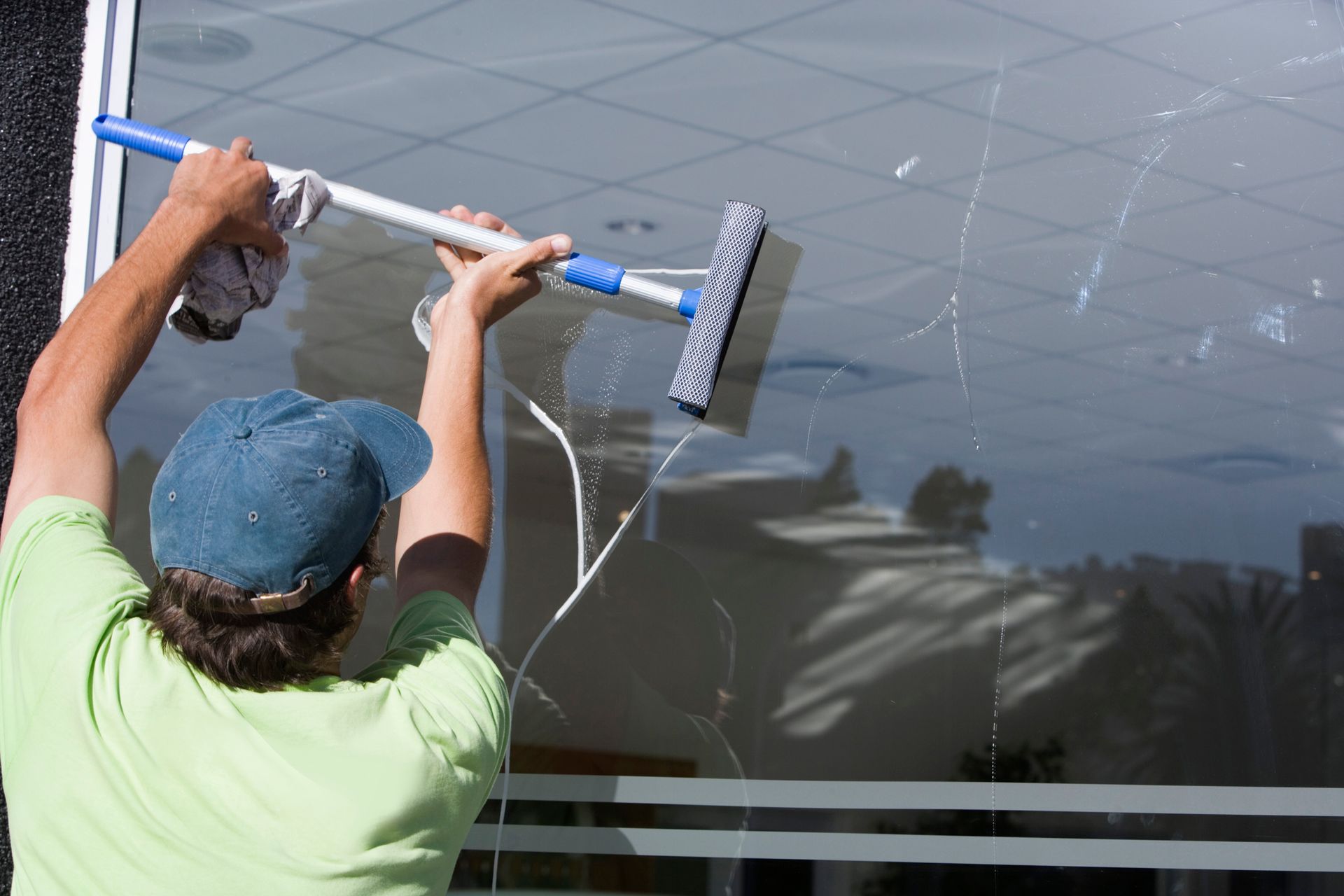
The term power washing, also known as pressure washing, involves using high-pressure water spray to remove loose paint, mold, grime, and other contaminants from surfaces, a process often optimized through professional power washing practices. The purpose of power washing extends beyond mere cleaning; it helps in maintaining the aesthetic appeal and structural integrity of various surfaces. Surfaces like driveways, decks, and building exteriors benefit immensely from regular power washing, preventing damage from dirt and mildew buildup. However, it's essential to perform power washing correctly, as improper techniques can cause unintentional harm. Consequently, power washing serves as a critical maintenance task for property upkeep. According to This Old House, the correct technique, pressure, and equipment are crucial to avoiding window damage.
Knowing the Difference Between Power Washing and Pressure Washing
While people often use the terms "power washing" and "pressure washing" interchangeably, there are subtle differences that professional power washing providers clearly understand. Power washing typically uses heated water, which makes it more effective for removing stubborn dirt and grime, whereas pressure washing relies on unheated high-pressure water. The choice between the two methods depends on the specific cleaning task and surface requirements. Heated water in power washing can efficiently tackle grease and oil stains, making it suitable for industrial cleaning tasks. In contrast, pressure washing is commonly used for routine cleaning tasks, often preferred for its versatility and lower risk of damage.
Utilizing the Benefits of Power Washing
There are several benefits to power washing, making it a preferred method for surface cleaning and maintenance, particularly when handled through professional power washing services. Firstly, it significantly enhances curb appeal by restoring the original look of driveways, decks, and building exteriors. Moreover, it prevents the accumulation of harmful substances like mold and mildew, which can lead to long-term damage if left untreated. Another essential benefit is the cost savings on future repairs; regular power washing can prevent costly structural damage and prolong the life of exterior surfaces. Additionally, power washing is an eco-friendly option, as it primarily uses water without the need for harsh chemicals.
Cleaning Common Applications
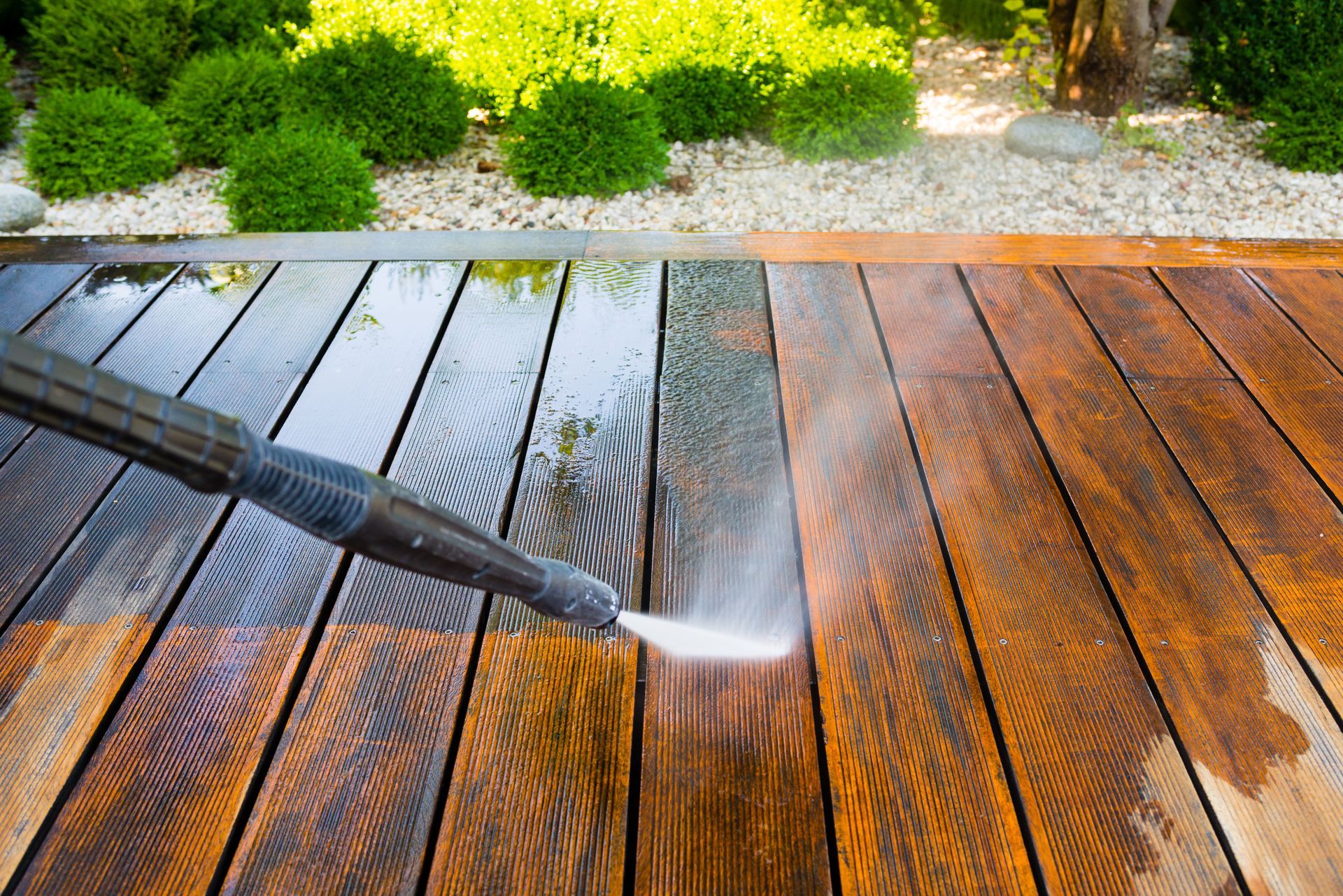
Power washing is suitable for a wide range of surfaces and areas, both residential and commercial, making professional power washing a versatile maintenance option. Common applications include cleaning driveways, patios, sidewalks, decks, and house exteriors. Power washing is also highly effective for industrial cleaning, such as in factories and warehouses, where heavy grime and oil buildup occur. In residential settings, power washing can be used to clean fences, roofs, and outdoor furniture, among other things. Each surface and material may require specific pressure settings and techniques to ensure efficient cleaning without causing any damage.
Considering the Environment
With increasing awareness of environmental concerns, eco-friendly practices in power washing have become more prevalent, especially within professional power washing operations. Bio-degradable detergents and reduced water consumption are key considerations to minimize environmental impact. Regulations often require the safe disposal of wastewater and the prevention of chemical runoff into storm drains. Additionally, power washers can incorporate water recycling systems to further reduce water usage. By adhering to eco-friendly guidelines, property owners can carry out power washing tasks without compromising on environmental responsibility.
Using Power Washing Equipment
Power washers come in various types, designed for specific tasks and cleaning needs, and professional power washing providers are trained to select the most appropriate equipment. Electric power washers, for example, are lightweight and suitable for small-scale residential tasks such as cleaning patios and decks. In contrast, gas-powered models are more powerful and ideal for larger cleaning projects, like driveways and commercial buildings. For heavily soiled surfaces, hot water power washers can be particularly effective. Understanding the nuances of each type is crucial for choosing the right equipment for the task at hand.
Understanding PSI and GPM
The performance of a power washer is often measured using two key metrics: PSI (pounds per square inch) and GPM (gallons per minute). PSI determines the pressure of the water, affecting the power washer's ability to remove tough dirt and grime. Meanwhile, GPM measures the amount of water the machine uses, influencing both cleaning efficiency and water consumption. Choosing the right PSI and GPM settings is essential to match the cleaning requirements of different surfaces without causing damage. Experienced users understand that balancing these metrics leads to optimal cleaning results, often consulting resources like This Old House for expert advice.
Selecting Nozzles and Attachments
Various nozzles and attachments are available for power washing, allowing customization for specific cleaning tasks. The angle and shape of the nozzle affect the spray pattern, which in turn influences the pressure and reach of the water stream. For instance, a 0-degree nozzle delivers a concentrated, high-pressure stream suitable for stubborn stains, while a 25-degree nozzle offers a wider spray for general cleaning. Additional attachments, such as surface cleaners and brush attachments, enhance the versatility of power washers. Selecting the right combination of nozzles and attachments ensures efficient cleaning and helps to avoid surface damage.
Maintaining Power Washing Equipment
Proper maintenance is crucial to extending the lifespan of power washing equipment and ensuring its optimal performance. Regularly inspecting and cleaning the hoses, nozzles, and filters prevents clogs and wear. Lubricating moving parts, such as the pump and engine components, reduces friction and prevents breakdowns. After each use, it's essential to flush the system with clean water to remove detergent residues. Storing power washing equipment in a dry, protected environment helps prevent rust and other weather-related damage. By following these maintenance practices, users can ensure their equipment remains in peak condition.
Choosing the Right Equipment
When selecting power washing equipment, considering the specific cleaning needs is paramount. Homeowners with occasional light-duty tasks might prefer a compact electric power washer for its convenience and ease of use. In contrast, commercial cleaners and property managers may invest in heavy-duty gas-powered units for large-scale cleaning that demands more power and efficiency. Additionally, assessing the availability of accessories and replacement parts can influence purchasing decisions. Evaluating the surface materials and types of stains also helps determine the appropriate features and specifications needed in a power washer. Ultimately, the choice should balance cost, effectiveness, and ease of use for maximum benefit.
Implementing Power Washing Techniques
Before beginning a power washing task, it's vital to prepare the work area and prioritize safety measures, which is a standard practice in professional power washing. Remove any delicate items or obstructions that could be damaged or create hazards during the cleaning process. Ensuring all windows and doors are tightly closed prevents water damage to the interior of the property. Users should also wear appropriate personal protective equipment (PPE), such as goggles and gloves, to protect against high-pressure spray and debris.
Power washing remains a vital component of property maintenance, offering both aesthetic and structural benefits when performed correctly. Whether handled independently or through professional services, understanding proper techniques, equipment selection, and environmental considerations is essential. By applying best practices and maintaining equipment diligently, property owners can achieve long-lasting results. Ultimately, informed decisions about power washing contribute to cleaner surfaces, extended material life, improved curb appeal, and a safer, more visually appealing environment for residential and commercial properties alike. If you need to hire a
professional power washing service in the Queens, NY area, contact MD Cleaning Solutions today.

Share On: