Maintaining clean exterior surfaces helps protect a property's appearance, functionality, and overall condition. Driveways, sidewalks, patios, siding, and commercial spaces regularly collect dirt, grime, algae, grease, and other contaminants. Professional exterior cleaning can remove this buildup, but property owners may encounter two similar terms when researching services: power washing and pressure washing. Although these methods share several characteristics, they are not identical. Both use pressurized water to clean surfaces, but differences in water temperature influence their effectiveness, applications, and equipment requirements. Understanding how each method works helps homeowners and business owners select an appropriate cleaning approach without exposing their properties to unnecessary damage. Comparing their capabilities, suitable surfaces, and maintenance considerations can make exterior cleaning decisions easier.
Understanding How Power Washing Works
Power washing uses pressurized water that has been heated before reaching the cleaning surface. Specialized equipment combines a water pump with a heating system to produce a stream capable of loosening stubborn buildup. The additional heat helps break down grease, oil, and certain residues that may resist cleaning with unheated water. This combination makes the method particularly useful for demanding exterior cleaning projects.
Professionals commonly use heated water cleaning on durable surfaces such as concrete driveways, commercial loading areas, and industrial workspaces. Temperature, pressure, nozzle selection, and cleaning distance must be carefully controlled to avoid damaging materials. Although heated water can improve cleaning effectiveness, it does not automatically make the process appropriate for every surface. Trained technicians evaluate the material and contamination before selecting equipment.
Understanding How Pressure Washing Works
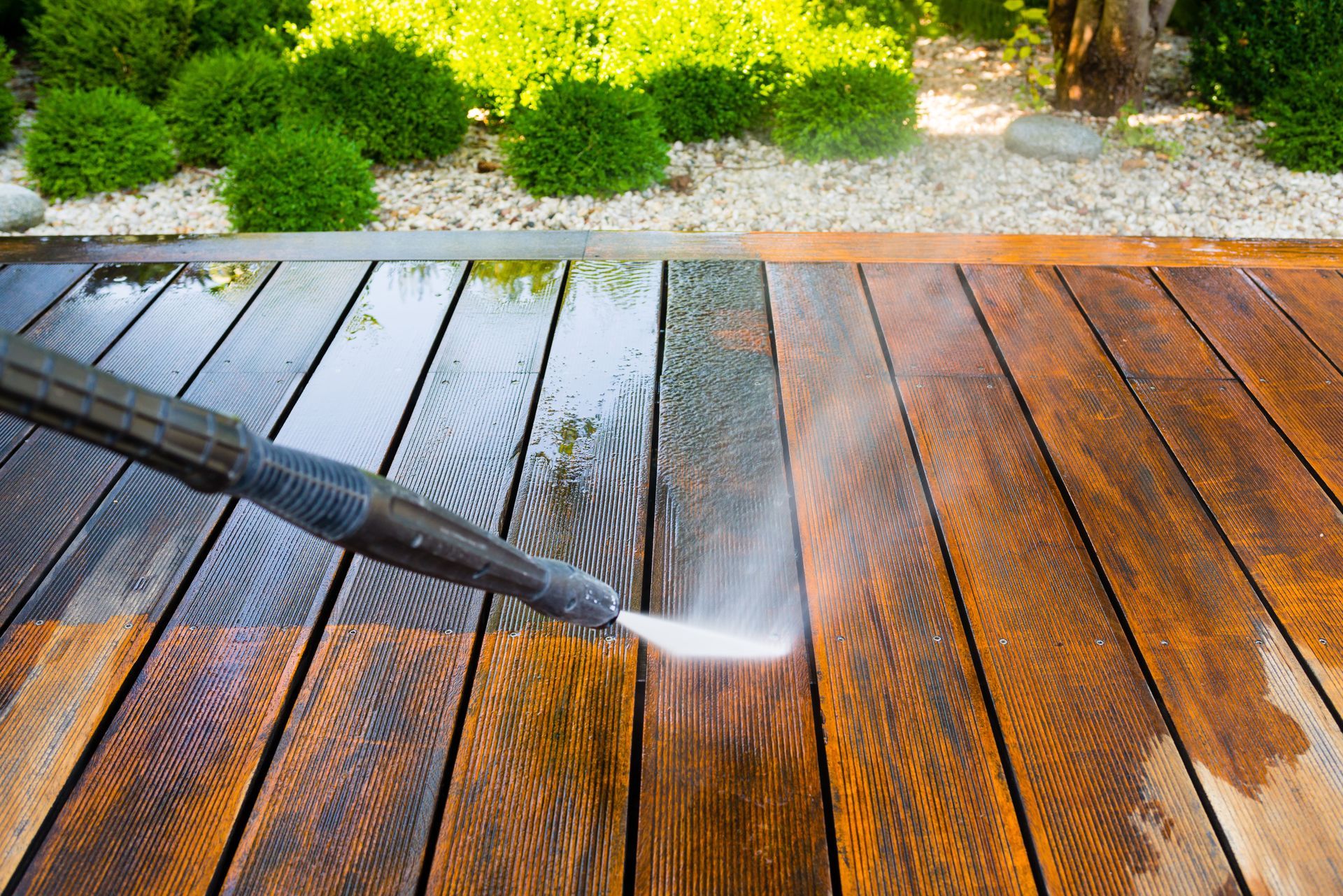
Pressure washing uses a concentrated stream of water to remove dirt, mud, dust, algae, and other surface contaminants. Unlike heated cleaning systems, standard pressure washers generally operate with water at its existing supply temperature. The equipment uses a motor-driven pump to increase water pressure before directing the stream through a specialized nozzle. Different nozzles produce varying spray patterns for different cleaning requirements.
This method is frequently used for routine exterior maintenance because it addresses common buildup without requiring heated water. Concrete walkways, certain masonry surfaces, and other durable materials may respond well to properly adjusted pressure. However, high-pressure cleaning is not suitable for every material. Painted surfaces, delicate wood, roofing materials, and damaged siding may require gentler techniques to prevent unnecessary damage.
Comparing Water Temperature and Cleaning Performance
The most significant difference between these methods involves water temperature. Heated water can soften greasy deposits and help separate oily substances from hard surfaces. This makes power washing particularly useful when dealing with automotive fluids, food-related grease, and stubborn residue. Standard pressure washing relies primarily on mechanical force, sometimes combined with appropriate detergents, to loosen and remove unwanted material.
Temperature alone does not determine the quality of an exterior cleaning project. Water pressure, flow rate, cleaning solutions, surface condition, and operator experience also influence performance. A surface covered with loose dirt may require only moderate pressure, while accumulated grease could benefit from heated water. Using unnecessary heat or excessive force may increase the possibility of damage without improving cleaning results.
Comparing Suitable Surfaces and Applications
Different exterior materials respond differently to water pressure and temperature. Durable concrete surfaces often tolerate controlled high-pressure cleaning, making them common candidates for both methods. Commercial dumpster areas, garage floors, and heavily stained pavement may benefit from heated water when grease is present. Meanwhile, sidewalks and patios affected primarily by dirt, pollen, and environmental buildup may not require additional heat.
Residential siding, wooden decks, fences, and decorative finishes often require additional caution. Excessive pressure can remove paint, damage wood fibers, loosen mortar, or force moisture into vulnerable openings. Heat may create further concerns for certain materials and protective coatings. In these situations, professionals may recommend soft washing, which uses lower pressure and suitable cleaning solutions to address contaminants without excessive force.
Comparing Equipment and Operating Requirements
Both cleaning methods require equipment capable of delivering water through a pressurized hose and nozzle. Standard pressure washers generally have fewer components because they do not need a dedicated heating system. Heated cleaning machines incorporate additional equipment to raise water temperature, increasing their complexity and operating requirements. Depending on the machine, operators may also need to manage fuel supplies and heating controls.
Equipment differences can influence project preparation and cleaning efficiency. Larger commercial jobs may require specialized hoses, surface cleaners, water supplies, and appropriate drainage arrangements. Operators must understand how pressure settings and spray patterns affect different materials. Heated equipment also introduces additional burn hazards that require careful handling. Professional cleaning companies evaluate these considerations before beginning work to ensure the equipment suits the property's requirements.
Comparing Cleaning Costs and Maintenance Needs
The cost of exterior cleaning depends on several factors beyond the method selected. Property size, surface condition, accessibility, contamination levels, and preparation requirements influence pricing. Heated cleaning equipment may involve additional operating expenses because it requires energy to warm the water. However, heat can sometimes reduce the effort needed to remove stubborn grease, potentially improving efficiency on certain projects.
Regular exterior maintenance can also influence long-term cleaning expenses. Allowing dirt, algae, and grease to accumulate may make future cleaning more demanding. According to Gitnux, the pressure washing industry currently provides employment for 33,679 individuals, reflecting continued demand for these services and growth within the market. Property owners considering professional services should compare experience, cleaning procedures, and surface protection practices alongside pricing when evaluating potential contractors.
Comparing Safety and Surface Protection Considerations
Both methods involve safety concerns because pressurized water can cause injuries and property damage when handled incorrectly. A concentrated spray may penetrate skin, damage fragile materials, or dislodge loose surface components. Heated water introduces additional risks, including burns and temperature-related damage. Operators must use appropriate protective equipment, maintain safe working distances, and follow established procedures when handling cleaning machinery.
Surface protection begins with evaluating the area before cleaning. Professionals inspect visible deterioration, identify vulnerable materials, and select suitable pressure settings. They may also protect plants, cover sensitive fixtures, and manage cleaning runoff when necessary. Certain surfaces require specialized detergents or lower-pressure applications instead of concentrated water streams. These precautions help reduce avoidable damage while supporting effective cleaning results.
Choosing the Right Method for Your Property
Determining which cleaning method is appropriate begins with identifying the surfaces needing attention and the contaminants affecting them. A concrete driveway covered with ordinary dirt may respond well to standard pressure washing, while an area affected by automotive grease could benefit from heated water. Commercial properties may require different approaches across loading docks, sidewalks, parking areas, and building exteriors.
Professional guidance can simplify this decision. Experienced technicians can assess material durability, determine whether power washing is necessary, and recommend suitable cleaning solutions. They can also explain preparation requirements, anticipated results, and maintenance considerations. In some situations, a combination of cleaning techniques may be appropriate for different areas of the same property. Understanding these options allows property owners to make informed decisions.
Understanding the differences between exterior cleaning methods helps homeowners and business owners choose services that match their property's needs. Power washing uses heated, pressurized water to address stubborn grease and residue, while standard pressure washing uses unheated water for many routine cleaning applications. Both methods can be effective when professionals select suitable equipment, pressure settings, and cleaning techniques. Surface condition, contamination type, safety considerations, and maintenance requirements should guide the decision rather than convenience alone. Regular exterior cleaning can improve a property's appearance while helping maintain the condition of outdoor surfaces. Whether you need assistance with a driveway, patio, sidewalk, or commercial exterior, professional guidance can help determine the most appropriate approach. To learn more about exterior cleaning options and schedule professional service, contact MD Cleaning Solutions today.


Share On: